Comprehensive Guide to Pool Resurfacing Cost Estimates in Long Island

Pool resurfacing is a crucial aspect of maintaining the longevity and aesthetic appeal of swimming pools. It involves renewing the surface of the pool to ensure safety, enhance appearance, and improve functionality. Understanding the cost of pool resurfacing is essential for homeowners in Long Island, as it can vary significantly based on several factors. This guide will explore the various elements that influence resurfacing costs, the types of materials available, and how to choose the right contractor for the job. By the end of this article, readers will have a comprehensive understanding of what to expect when budgeting for pool resurfacing.
What Factors Influence the Cost of Pool Resurfacing?
Several factors play a significant role in determining the cost of pool resurfacing. These include the quality of materials used, the size of the pool, and labor costs associated with the project. Homeowners should be aware that opting for higher-quality materials may lead to a higher initial investment but can result in long-term savings due to durability and reduced maintenance needs. Additionally, larger pools typically incur higher costs due to the increased amount of materials and labor required. Labor costs can also fluctuate based on the complexity of the job and the contractor's experience.
After considering these factors, homeowners in Long Island can make informed decisions about their resurfacing projects. Aquacade Pools specializes in providing detailed estimates that take into account these variables, ensuring transparency and fairness in pricing.
How Do Different Resurfacing Materials Affect Pricing?
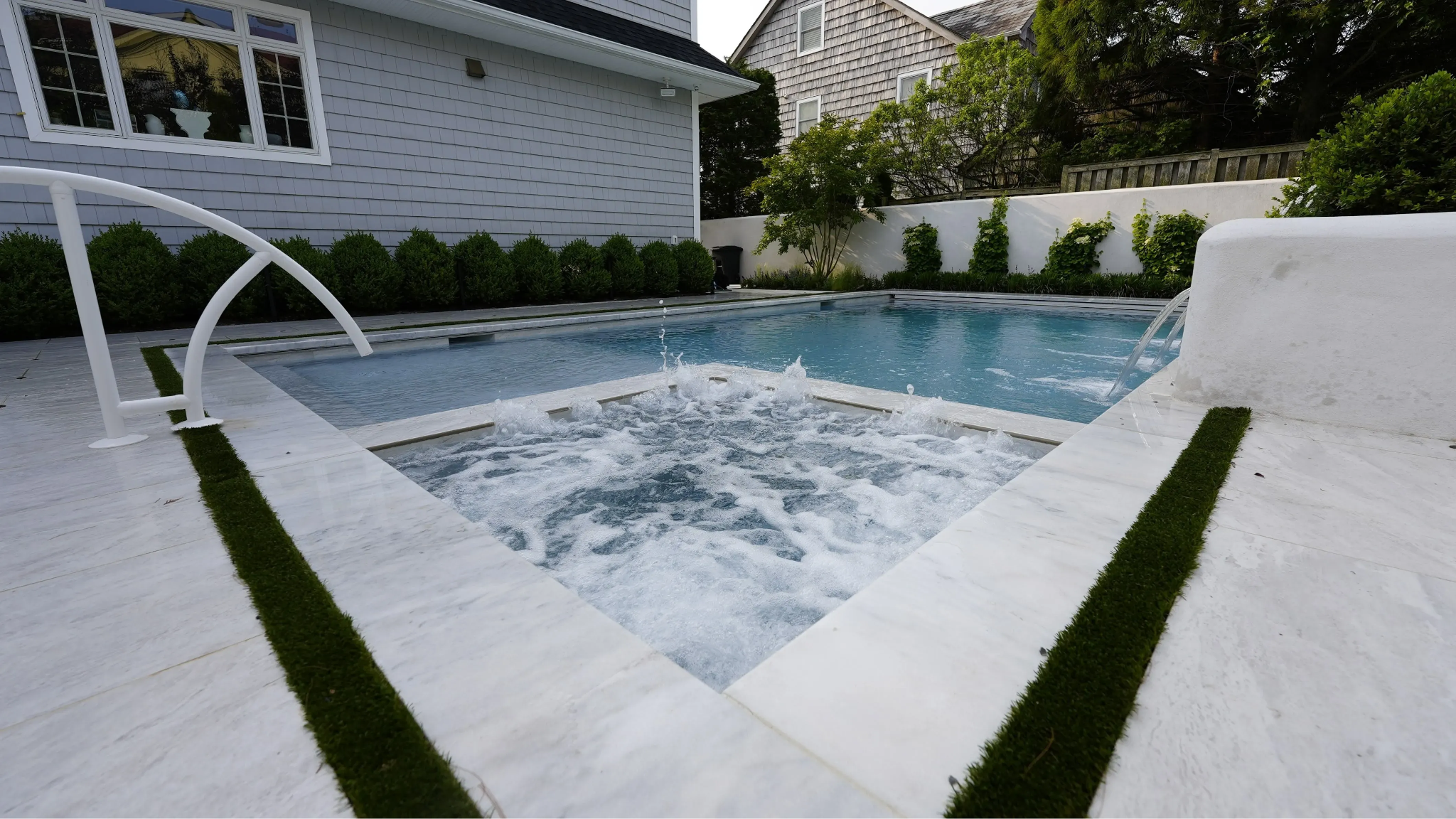
The choice of resurfacing material significantly impacts the overall cost of the project. Common materials include plaster, pebble, and fiberglass, each with its own price range and durability characteristics.

Plaster is the most economical option, but it requires more frequent maintenance compared to pebble or fiberglass. Pebble offers a balance between cost and durability, while fiberglass, although more expensive, provides the longest lifespan and minimal maintenance.
What Role Does Pool Size and Condition Play in Cost?
The size and condition of the pool are critical factors in determining resurfacing costs. Larger pools require more materials and labor, which can significantly increase the overall price. Additionally, if the pool is in poor condition, it may require repairs before resurfacing can begin, adding to the total cost. Homeowners should assess their pool's condition and consider any necessary repairs when budgeting for resurfacing.
Which Pool Resurfacing Materials Offer the Best Value?
When evaluating the best value for pool resurfacing materials, homeowners should consider both the initial cost and the long-term benefits. While plaster is the least expensive upfront, its shorter lifespan may lead to higher costs over time due to frequent repairs and resurfacing. Pebble and fiberglass, although more costly initially, offer greater durability and lower maintenance needs, making them more cost-effective in the long run.
Comparing Pool Plastering, Pebble, and Fiberglass Costs
Comparing the costs and benefits of different resurfacing materials can help homeowners make informed decisions.
- Plaster:- Cost: $4 - $7 per square foot- Lifespan: 5 - 7 years- Maintenance: Requires regular upkeep and reapplication.
- Pebble:- Cost: $7 - $12 per square foot- Lifespan: 10 - 15 years- Maintenance: Moderate upkeep, more resistant to stains.
- Fiberglass:- Cost: $15 - $25 per square foot- Lifespan: 20+ years- Maintenance: Minimal, easy to clean.
This comparison highlights the importance of considering both upfront costs and long-term value when selecting a resurfacing material.
What Are the Durability and Maintenance Differences Among Materials?
Durability and maintenance requirements vary significantly among resurfacing materials. Plaster surfaces are prone to cracking and staining, necessitating regular maintenance. Pebble surfaces are more durable and resistant to wear, while fiberglass surfaces offer the highest durability and require the least maintenance. Homeowners should weigh these factors against their budget and maintenance preferences when choosing a resurfacing material.
How Long Does the Pool Resurfacing Process Take and What Is the Timeline?
The timeline for pool resurfacing can vary based on the size of the pool and the type of material used. Generally, the process can take anywhere from a few days to a couple of weeks. Factors that influence the timeline include the preparation work required, the curing time for the materials, and the weather conditions. Homeowners should plan accordingly and consult with their contractor for a more accurate estimate.
What Are the Key Steps in Our Professional Resurfacing Process?

Aquacade Pools follows a comprehensive resurfacing process to ensure quality results. The key steps include:
- Initial Assessment: Evaluating the pool's condition and determining necessary repairs.
- Preparation Work: Draining the pool and preparing the surface for resurfacing.
- Application of Resurfacing Material: Applying the chosen material according to industry standards.
- Final Inspection: Ensuring the surface meets quality standards before refilling the pool.
This structured approach guarantees that each project is completed efficiently and to the highest standards.
How Does Project Duration Impact Overall Cost?
The duration of the resurfacing project can significantly impact overall costs. Longer projects may incur higher labor costs, especially if additional repairs are needed. Additionally, delays due to weather or material availability can lead to increased expenses. Homeowners should discuss timelines with their contractors to understand how project duration may affect their budget.
How Can Homeowners in Long Island Choose the Right Pool Resurfacing Contractor?
Choosing the right contractor is crucial for a successful pool resurfacing project. Homeowners should look for contractors with the following qualifications:
- Experience: A proven track record in pool resurfacing.
- Licensing and Insurance: Proper credentials to ensure compliance with local regulations.
- References: Positive reviews and testimonials from previous clients.
By considering these factors, homeowners can select a contractor who will deliver quality work and reliable service.
What Certifications and Experience Should You Look For?
When selecting a pool resurfacing contractor, homeowners should prioritize those with relevant certifications and experience. Look for contractors who are licensed and insured, as this protects both the homeowner and the contractor. Additionally, local experience can be beneficial, as these contractors are familiar with the specific challenges and regulations in Long Island.
How Does Aquacade Pools Ensure Quality and Fair Pricing?
Aquacade Pools is committed to providing quality resurfacing services at fair prices. The company employs experienced professionals who adhere to industry standards and best practices. By offering transparent pricing and detailed estimates, Aquacade Pools ensures that homeowners understand the costs involved in their resurfacing projects. This commitment to quality and customer satisfaction sets Aquacade Pools apart in the competitive Long Island market.
.jpg)
.png)
.jpg)