Complete Guide to Pool Maintenance in Nassau County
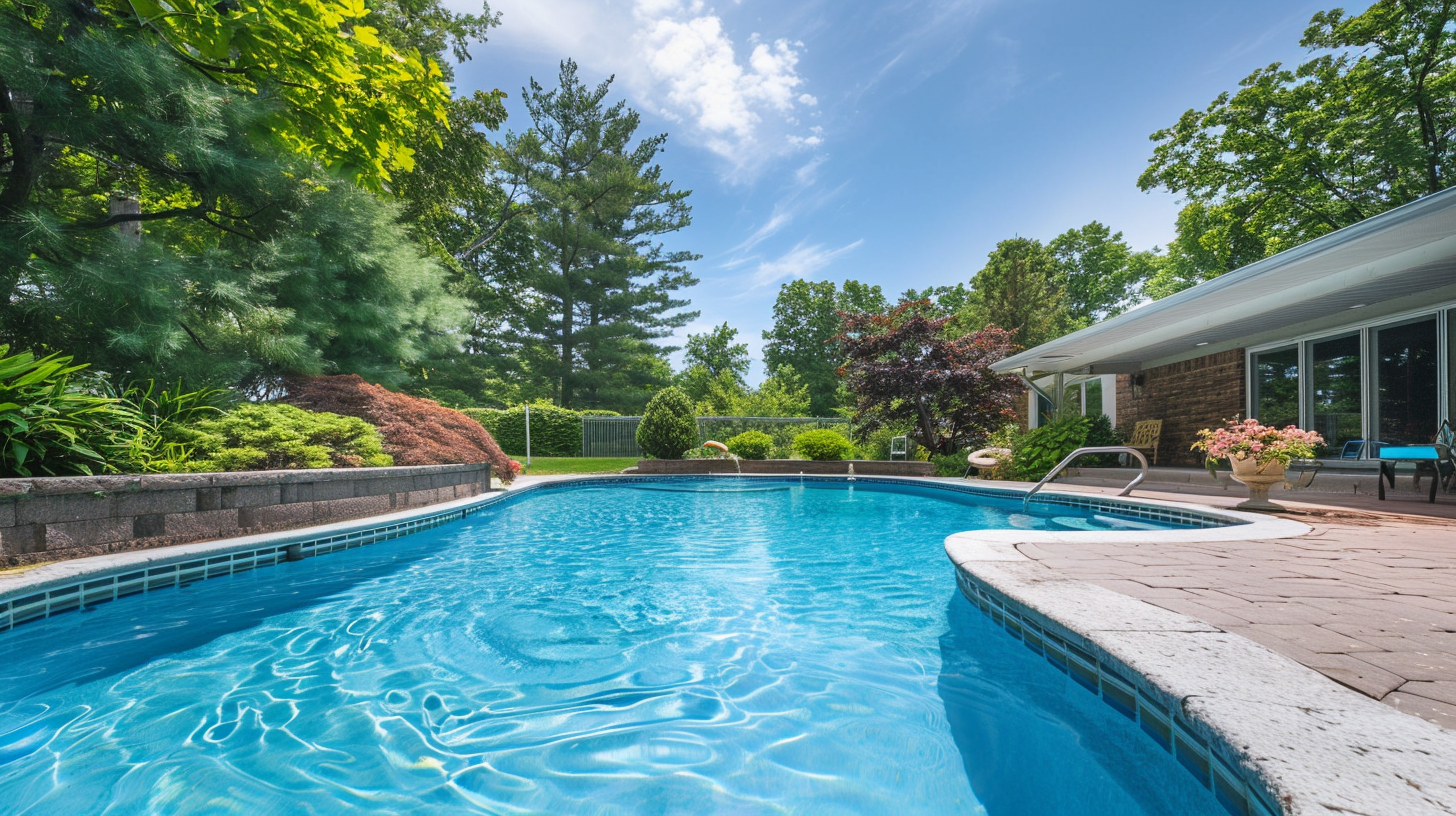
Owning a swimming pool offers homeowners a great way to enjoy outdoor living during the warmer months, but maintaining clean, safe, and properly functioning water requires consistent care. Many pool owners quickly realize that routine upkeep involves more than occasional cleaning — it requires technical knowledge, regular monitoring, and seasonal preparation tailored to Long Island’s changing climate.
Professional pool service providers help ensure pools remain safe, efficient, and ready for use throughout the year. From chemical balancing and equipment inspections to seasonal openings and winterization, reliable maintenance plays a critical role in protecting both the pool structure and the investment behind it. Whether a homeowner has a vinyl-lined pool, fiberglass installation, or a gunite pool property owners often prefer for durability and customization, ongoing service helps prevent costly repairs and operational problems.
This guide explains why consistent maintenance matters, what professional services typically include, and how homeowners can keep their Nassau pool operating efficiently year-round.
Why Regular Pool Maintenance Is Essential
A swimming pool is a complex system combining water chemistry, mechanical equipment, and structural components. Without routine care, small issues can quickly develop into expensive repairs or health concerns.
Protecting Water Quality and Swimmer Safety
Properly balanced water prevents bacteria growth, algae formation, and harmful contaminants. Maintaining correct chlorine levels, pH balance, and alkalinity ensures safe swimming conditions while preventing irritation to skin and eyes.
In Nassau County’s warm summer months, higher temperatures and frequent pool usage accelerate chemical fluctuations, making regular testing essential.
Extending Equipment Lifespan
Pool equipment such as pumps, filters, and heaters operate continuously during the swimming season. Dirt buildup, clogged filters, or improper chemical levels can place extra strain on these systems.
Routine Nassau pool service visits help identify early warning signs such as:
- Reduced water circulation
- Unusual equipment noise
- Pressure changes in filtration systems
Early maintenance often prevents premature equipment failure.
Preventing Structural Damage
Poor water chemistry can slowly damage pool surfaces, liners, and finishes. This is especially important for homeowners with a gunite pool installation, as imbalanced water can cause surface etching, staining, or scaling over time.
Consistent maintenance protects structural integrity and preserves the appearance of the pool.
Improving Energy Efficiency
A properly maintained pool runs more efficiently. Clean filters and balanced circulation systems reduce energy consumption, helping pumps and heaters operate without unnecessary strain. Over time, efficient operation lowers utility costs and reduces wear on equipment.
What Professional Pool Maintenance Services Typically Include
Reliable maintenance programs are designed to keep every part of a pool functioning correctly, not just the visible water surface. Professional servicing focuses on prevention rather than reactive repairs.
Water Testing and Chemical Balancing
Water chemistry is one of the most critical aspects of maintaining a swimming pool. Technicians regularly test and adjust:
- Chlorine or sanitizer levels
- pH balance
- Total alkalinity
- Calcium hardness
- Stabilizer levels
Balanced chemistry prevents algae growth, cloudy water, corrosion, and scaling. Professional testing ensures accuracy that is often difficult to achieve with basic home testing kits.
Cleaning and Debris Removal
Environmental factors in Nassau County — including trees, pollen, and seasonal storms — contribute to debris accumulation. Routine cleaning typically includes:
- Surface skimming to remove leaves and insects
- Vacuuming debris from the pool floor
- Brushing walls and steps to prevent algae buildup
- Emptying skimmer and pump baskets
Regular cleaning improves water circulation and helps filtration systems operate effectively.
Equipment Inspection and Preventative Maintenance
A reliable Nassau pool service involves more than cleaning; it includes routine inspection of essential mechanical components.
Technicians typically check:
- Pump performance and motor operation
- Filter pressure levels
- Heater functionality
- Plumbing connections and valves
- Automation and timer systems
Identifying small issues early prevents unexpected breakdowns during peak swimming season.
Filter Cleaning and Backwashing
Filters play a central role in maintaining clear water. Over time, debris buildup reduces efficiency and increases system pressure.
Maintenance services may include:
- Backwashing sand or DE filters
- Cleaning cartridge filters
- Inspecting filter media condition
Proper filtration keeps water clear while reducing strain on pumps and improving overall circulation.
Seasonal Pool Maintenance
Because Long Island experiences distinct seasonal changes, pool care requirements vary throughout the year. Seasonal maintenance ensures pools remain protected during both active and inactive periods.
Spring Pool Opening
After winter, pools require careful preparation before use. Opening services generally include:
- Removing and cleaning pool covers
- Reconnecting equipment systems
- Inspecting plumbing and electrical components
- Initial water treatment and chemical balancing
Professional opening helps detect any winter-related damage early.
Summer Maintenance Routine
During peak usage months, pools require consistent attention. Weekly or bi-weekly Nassau pool service visits help manage increased swimmer load, heat exposure, and rapid chemical changes.
Routine summer maintenance focuses on:
- Maintaining sanitizer levels
- Monitoring filtration efficiency
- Preventing algae growth
- Ensuring optimal circulation
Consistent care keeps water clear and safe throughout the season.
Fall Preparation
As temperatures begin to drop, debris accumulation often increases due to falling leaves. Maintenance during this period focuses on:
- Deep cleaning
- Balancing water chemistry before closing
- Inspecting equipment before winter shutdown
Proper fall preparation reduces complications during winterization.
Winter Pool Closing
Closing a swimming pool correctly is essential to prevent freeze damage. Winterization typically involves:
- Lowering water levels appropriately
- Draining and protecting plumbing lines
- Adding winter chemicals
- Installing protective covers
Improper closing procedures can lead to cracked pipes, damaged equipment, and costly spring repairs, making professional service particularly valuable in colder climates.
Signs You May Need Professional Pool Service
Even well-maintained pools can develop issues over time. Recognizing early warning signs allows homeowners to address problems before they escalate into expensive repairs. Many pool owners initially attempt DIY maintenance but turn to professional Nassau pool service when recurring issues appear.
Common indicators include:
Persistent Cloudy Water
Cloudy water often signals filtration inefficiency or improper chemical balance. If water clarity does not improve after basic treatment, professional testing may be needed to identify underlying causes.
Rapid Chemical Imbalance
If chlorine or pH levels fluctuate quickly despite regular adjustments, circulation or filtration problems may be present. Professional technicians can diagnose whether equipment performance or environmental factors are contributing to instability.
Algae Growth
Green, yellow, or black algae can develop quickly during warm weather. Repeated algae outbreaks usually indicate deeper sanitation or circulation issues requiring professional intervention.
Unusual Equipment Noises
Grinding, humming, or loud pump sounds may signal motor wear, clogged impellers, or pressure issues. Early inspection helps prevent complete equipment failure.
Rising Energy Costs
An inefficient system caused by dirty filters or poor circulation can force pumps and heaters to work harder, increasing energy consumption for a swimming pool.
How Often Should Pool Maintenance Be Scheduled?
Maintenance frequency depends on several factors, including pool size, surrounding environment, and usage levels. While some homeowners attempt occasional upkeep, consistent scheduling typically produces better long-term results.
Weekly Maintenance (Most Recommended)
Weekly service is the most common option for residential pools because it ensures:
- Stable water chemistry
- Consistent cleaning
- Early detection of equipment issues
This is particularly beneficial for larger installations or heavily used pools.
Bi-Weekly Maintenance
Bi-weekly service may work for lightly used pools or properties with minimal debris exposure. However, water chemistry must still be monitored between visits.
Monthly Inspections
Monthly service is generally limited to inspection-focused visits rather than full maintenance and may suit pools used infrequently.
Seasonal Service Plans
Some homeowners choose seasonal packages covering:
- Spring opening
- Routine summer care
- Fall preparation
- Winter closing
Pools such as a gunite pool homeowners install for long-term durability still benefit from regular servicing to maintain surface condition and equipment performance.
Choosing Reliable Pool Maintenance Services in Nassau County
Reliability is one of the most important factors when selecting a maintenance provider. Consistent service prevents small problems from becoming major repairs.
Licensing and Insurance
A professional Nassau pool service provider should carry appropriate licensing and insurance coverage. This protects homeowners and ensures work meets safety and operational standards.
Experience With Long Island Pools
Local experience matters because Nassau County pools face specific environmental conditions such as seasonal temperature changes, pollen exposure, and winter freeze risks. Technicians familiar with regional challenges can adjust maintenance practices accordingly.
Service Consistency and Communication
Reliable providers typically offer:
- Scheduled service visits
- Maintenance reports or updates
- Clear communication regarding repairs or adjustments
Consistency ensures water quality remains stable throughout the swimming season.
Transparent Service Plans
Clear service agreements should outline:
- Tasks performed during each visit
- Frequency of maintenance
- Chemical inclusion policies
- Additional service charges if applicable
Transparency helps homeowners understand exactly what their maintenance plan covers.
Benefits of Professional Pool Maintenance vs DIY Care
While some pool owners handle basic cleaning themselves, professional maintenance offers advantages that extend beyond convenience.
Benefits of Professional Maintenance
- Accurate chemical balancing using professional-grade testing
- Early detection of mechanical issues
- Reduced likelihood of algae outbreaks
- Extended equipment lifespan
- Time savings for homeowners
Professionals also understand how different pool types behave over time. For example, maintaining surface chemistry properly is essential for preserving finishes in gunite pool installations.
Challenges of DIY Maintenance
- Difficulty maintaining consistent chemical levels
- Limited diagnostic tools for equipment problems
- Time-consuming cleaning routines
- Higher risk of long-term damage from incorrect treatments
DIY care may appear cost-effective initially but can lead to higher repair expenses if problems go unnoticed.
Cost Factors for Pool Maintenance in Nassau County
Maintenance pricing varies depending on several operational factors rather than a single fixed rate.
Key influences include:
- Pool size and depth
- Type of pool surface and equipment
- Frequency of service visits
- Seasonal service requirements
- Condition of existing equipment
- Additional cleaning or repair needs
Rather than focusing solely on price, homeowners should consider overall value, reliability, and preventative care benefits. Consistent maintenance often reduces long-term ownership costs by preventing major repairs.
Long-Term Benefits of Consistent Pool Maintenance
Routine servicing helps ensure a Nassau County swimming pool remains safe, efficient, and visually appealing year after year.
Long-term advantages include:
- Extended lifespan of pumps, heaters, and filtration systems
- Reduced need for major repairs
- Improved water clarity and swimmer comfort
- Lower energy consumption
- Protection of pool surfaces and finishes
- Enhanced property value and usability
Preventative maintenance ultimately supports both enjoyment and investment protection.
Conclusion: Maintaining a Safe and Enjoyable Pool Year-Round
Owning a Nassau pool provides relaxation and entertainment, but reliable upkeep is essential for maintaining performance and safety. From regular cleaning and chemical balancing to seasonal preparation and equipment inspections, professional maintenance ensures pools operate efficiently throughout Long Island’s changing seasons.
Homeowners who invest in consistent Nassau pool service benefit from fewer unexpected problems, improved water quality, and longer equipment life. By understanding maintenance needs and choosing reliable service providers, pool owners can enjoy their pools with confidence while protecting their long-term investment.
Frequently Asked Questions (FAQs)
How often should a pool be serviced in Nassau County?
Most residential pools benefit from weekly maintenance during the swimming season to maintain proper chemical balance and equipment performance.
What does weekly pool maintenance include?
Weekly service typically includes water testing, chemical adjustments, debris removal, vacuuming, brushing surfaces, and equipment inspection.
Is professional pool maintenance necessary for a gunite pool?
Yes. A gunite pool Nassau County homeowners install still requires regular chemical balancing and surface protection to prevent staining, scaling, and long-term wear.
When should pools be closed for winter in Nassau County?
Pools are usually winterized in early to mid-fall before temperatures consistently drop below freezing, helping prevent pipe and equipment damage.
Can poor maintenance damage pool equipment?
Yes. Dirty filters, improper chemistry, and poor circulation can strain pumps and heaters, leading to premature equipment failure.
How long does a typical pool maintenance visit take?
Most maintenance visits take between 30 minutes and one hour depending on pool size, condition, and services required.
Do pool service companies provide chemicals?
Many professional maintenance plans include chemicals, though coverage varies by provider. Homeowners should confirm this when reviewing service agreements.
What are the benefits of hiring a professional Nassau pool service?
Professional service improves water safety, reduces maintenance stress, extends equipment lifespan, and helps prevent costly repairs through early problem detection.
.jpg)
.png)
.jpg)